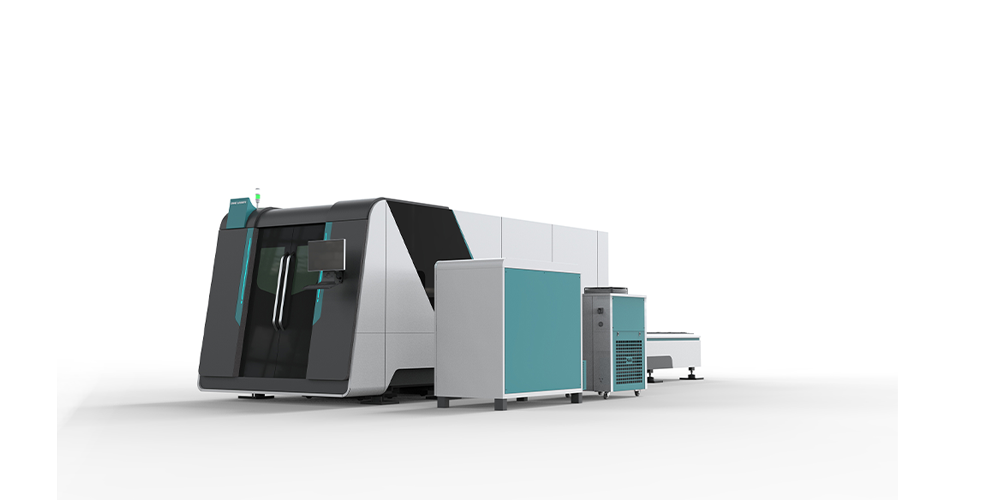
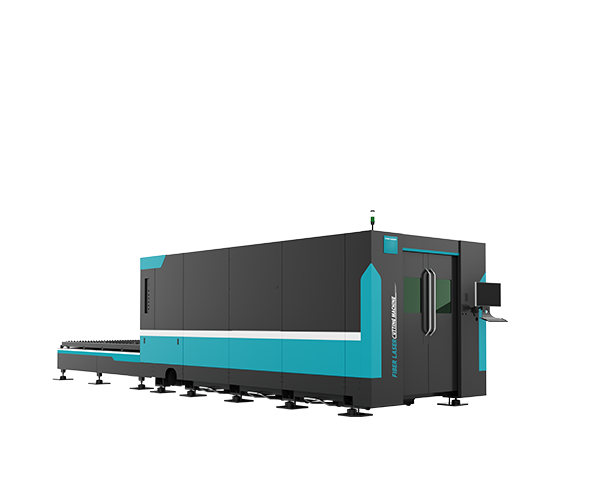
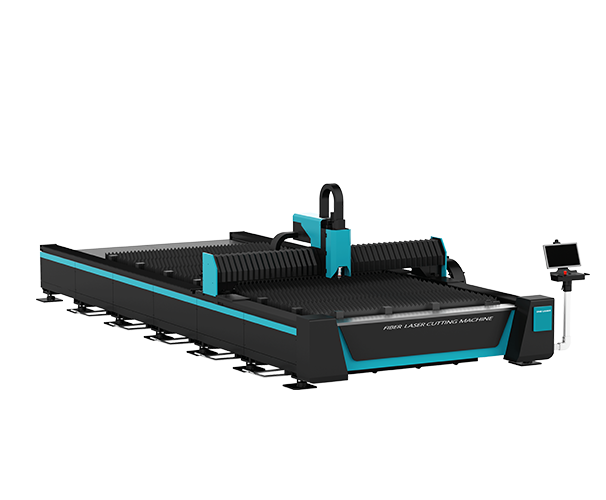
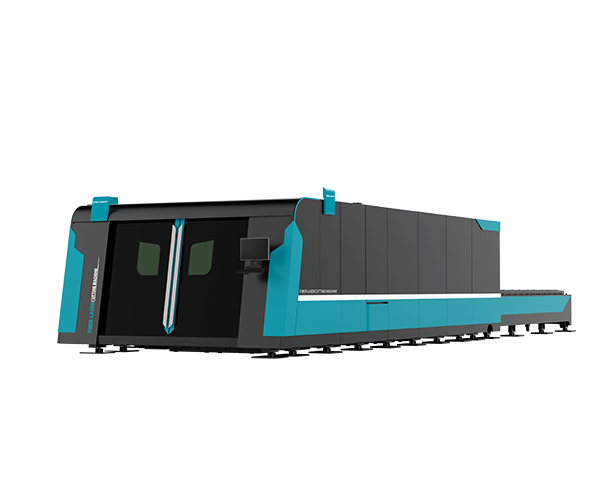
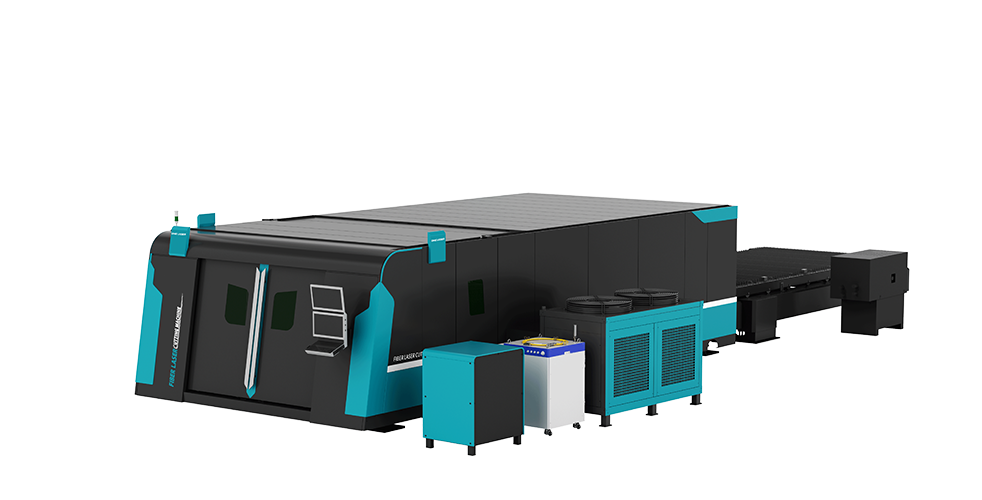
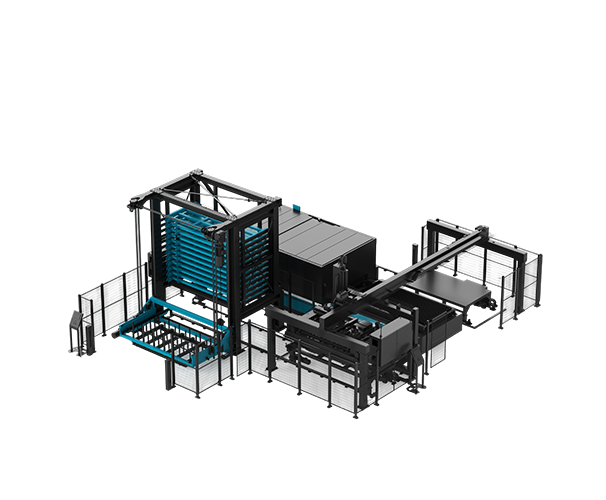
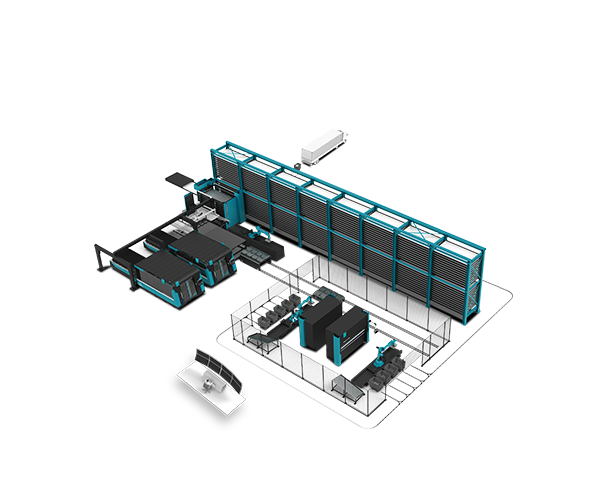
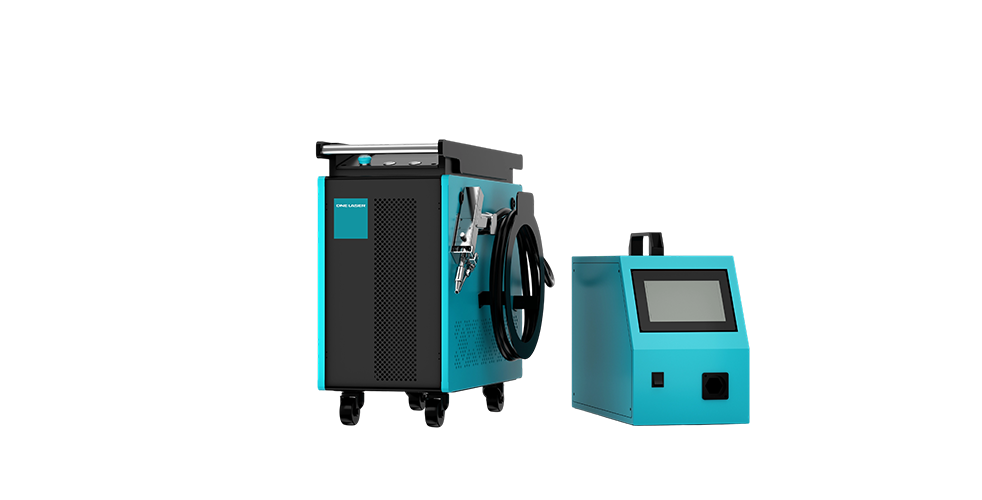
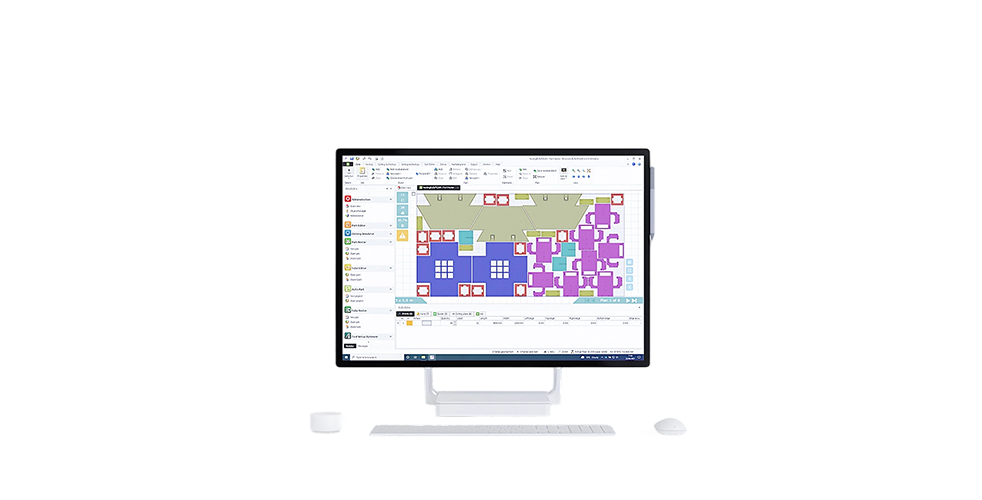
Laser cutting, a high-precision and non-contact processing technology, has been widely used in manufacturing, automotive, aerospace and other industries. It uses a high-power laser beam to melt, vaporize or burn through materials, achieving accurate cutting of various workpieces. However, the quality and efficiency of laser cutting are affected by multiple interrelated factors, which can be divided into three main categories: material properties, equipment parameters, and process conditions.
Material properties are the most fundamental factors influencing laser cutting. Different materials have distinct optical, thermal and physical characteristics that determine how they react to laser irradiation. For instance, materials with high reflectivity, such as aluminum and copper, reflect most of the laser energy, making them harder to cut than low-reflectivity materials like steel and acrylic. Thermal conductivity also plays a crucial role: materials with high thermal conductivity dissipate heat quickly, requiring higher laser power to reach the melting or vaporization point. In addition, material thickness, purity and surface condition affect cutting results. Thick materials need longer laser exposure time, while impurities or rough surfaces may cause uneven cutting and rough edges.
Equipment parameters directly determine the performance of the laser cutting process. Laser power is the core parameter: sufficient power ensures complete penetration of the material, while excessive power leads to over-burning, widened kerfs and damaged material edges. The cutting speed is equally important; a too-fast speed fails to cut through the material completely, and a too-slow speed reduces production efficiency and increases heat-affected zones. The focal length of the laser lens is another key factor: a proper focal spot size concentrates laser energy accurately, improving cutting precision, while an incorrect focus results in blurry edges and incomplete cutting.
Process conditions also significantly impact laser cutting quality. Assist gas, usually oxygen, nitrogen or compressed air, is used to blow away molten debris and prevent oxidation. The type, pressure and flow rate of the assist gas vary with materials: oxygen is suitable for carbon steel to enhance combustion cutting, while nitrogen is used for stainless steel to get smooth, oxide-free edges. The distance between the laser nozzle and the material surface, known as the stand-off distance, affects gas flow and energy concentration; an improper distance may cause gas turbulence and poor cutting quality.
In conclusion, laser cutting is a comprehensive process influenced by material properties, equipment parameters and process conditions. To achieve high-quality and efficient laser cutting, operators need to adjust these factors reasonably according to the material type and processing requirements, giving full play to the advantages of laser cutting technology.