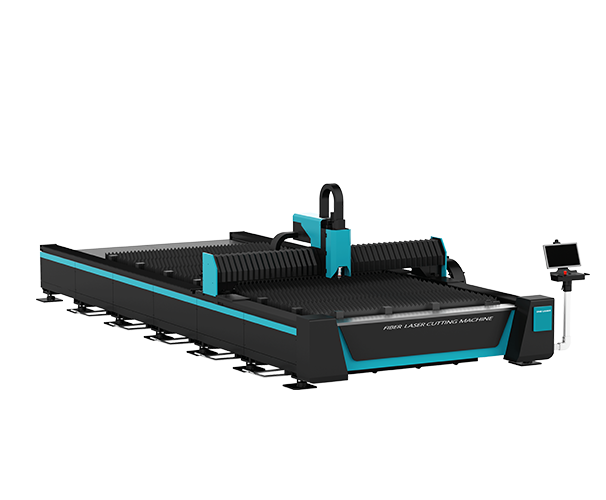
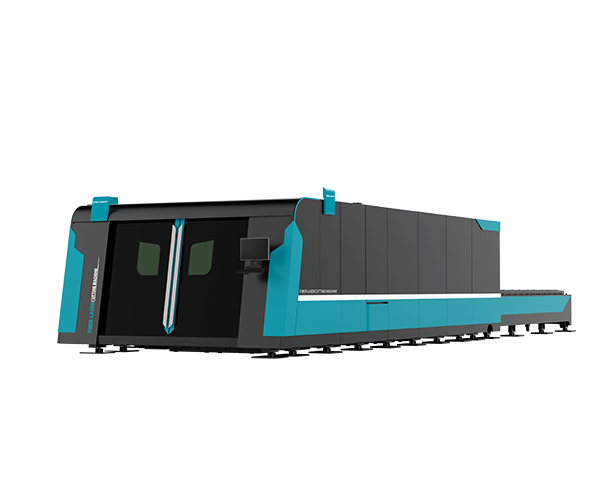
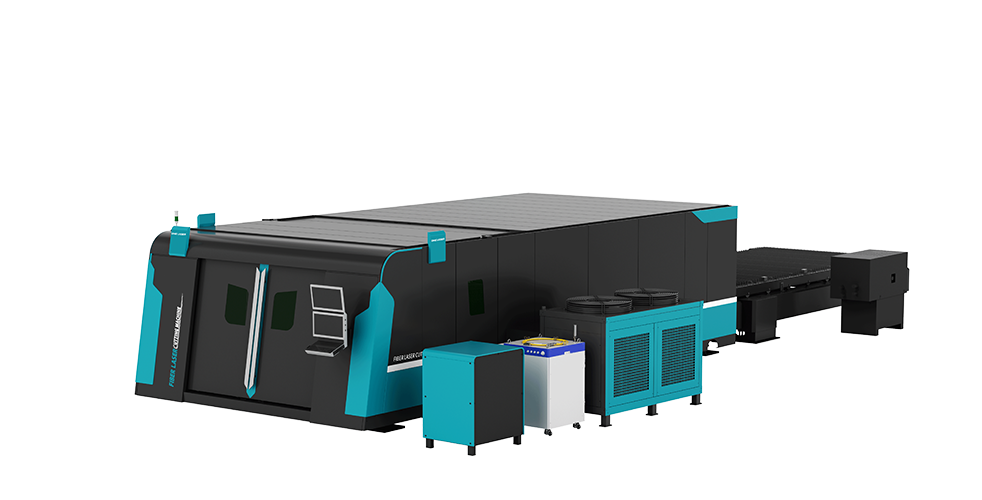
Current Status of Laser Cutting Development
Published:2026-03-23
Browse:
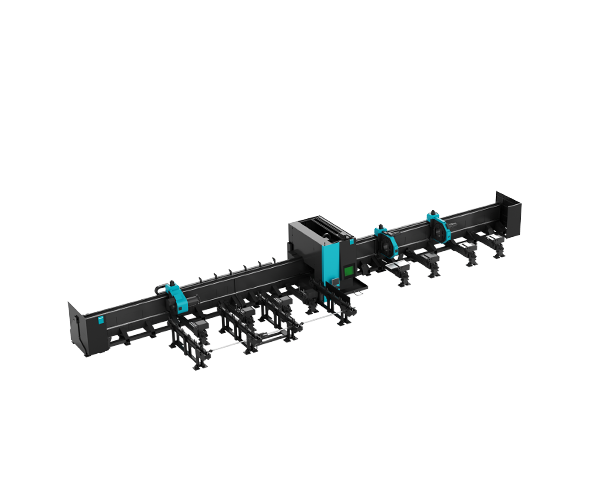
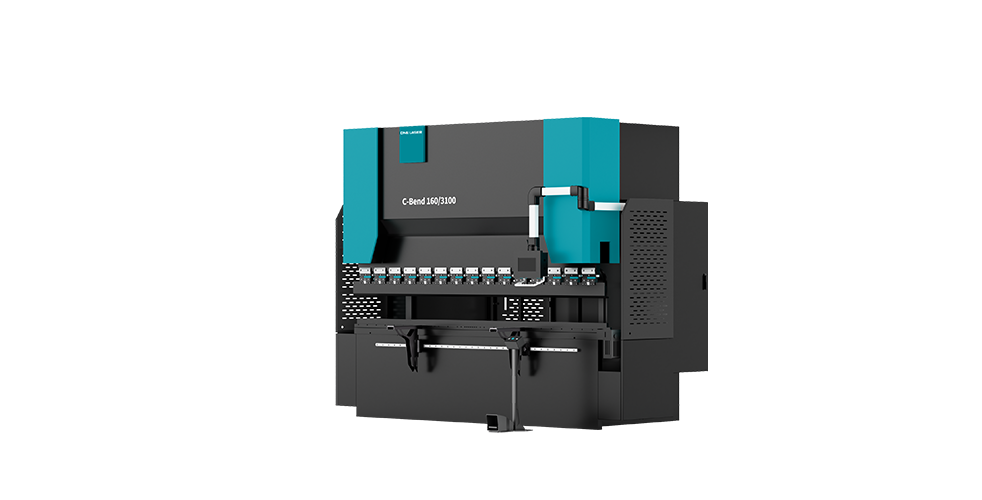
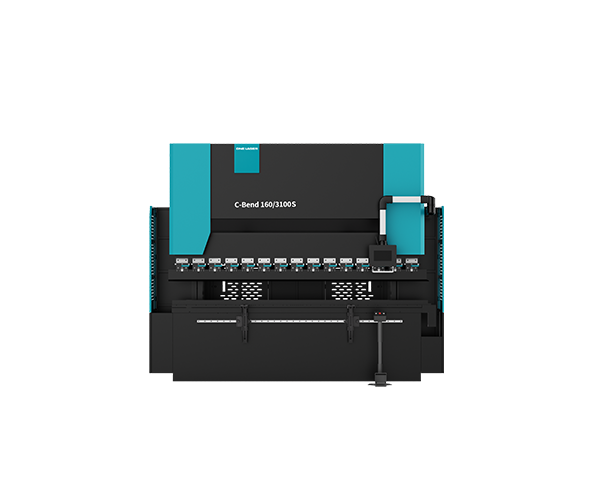
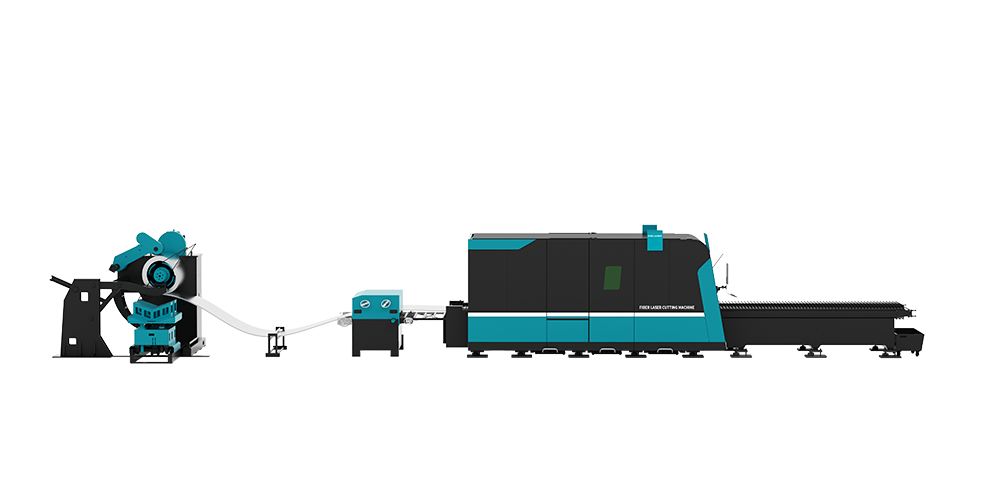
Laser cutting has evolved from a niche processing technique into a cornerstone of modern advanced manufacturing, driven by continuous innovations in laser sources, motion control, and intelligent systems. Today, it stands out for its non-contact nature, high precision, exceptional efficiency, and minimal thermal distortion, widely adopted across automotive, aerospace, electronics, shipbuilding, and medical device industries. This article reviews the current technological landscape, market trends, application expansion, challenges, and future directions of laser cutting.
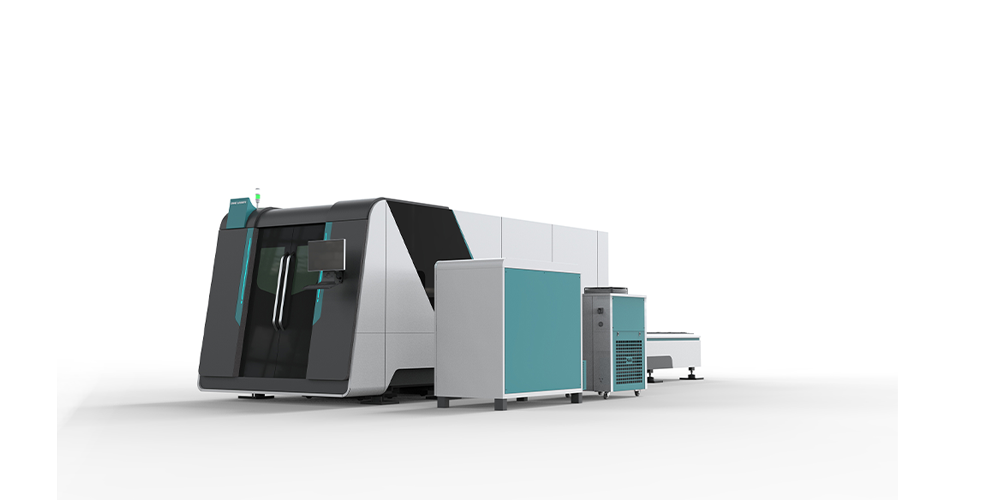
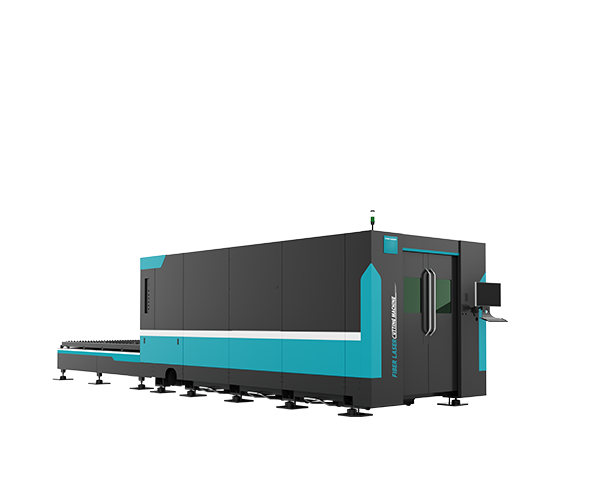
At the technical level, fiber lasers have become the dominant solution, gradually replacing traditional CO2 lasers in most metal processing scenarios. Fiber lasers feature higher photoelectric conversion efficiency, lower maintenance costs, more stable beam quality, and stronger material adaptability, especially for reflective metals such as copper and aluminum. In recent years, ultra-high-power fiber lasers above 20kW, even reaching 30kW and 60kW, have been commercialized, enabling fast and high-quality cutting of thick plates over 50mm. Meanwhile, beam shaping, dynamic focusing, and adaptive control technologies have been widely applied, significantly improving cutting edge verticality, surface smoothness, and reducing slag and thermal effects.
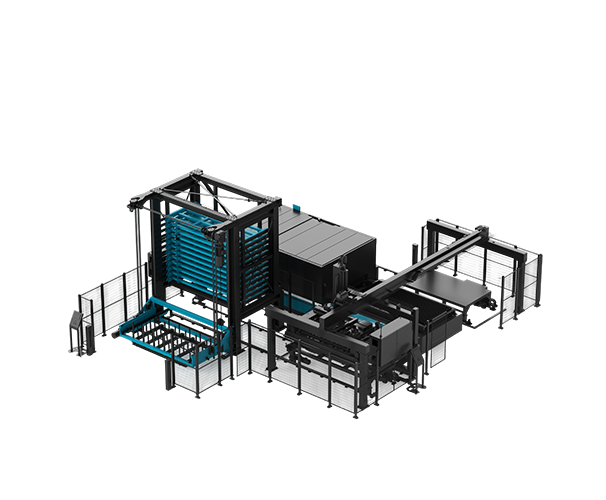
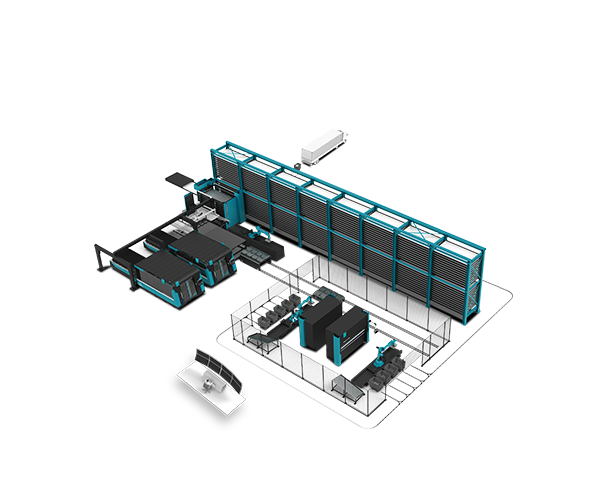
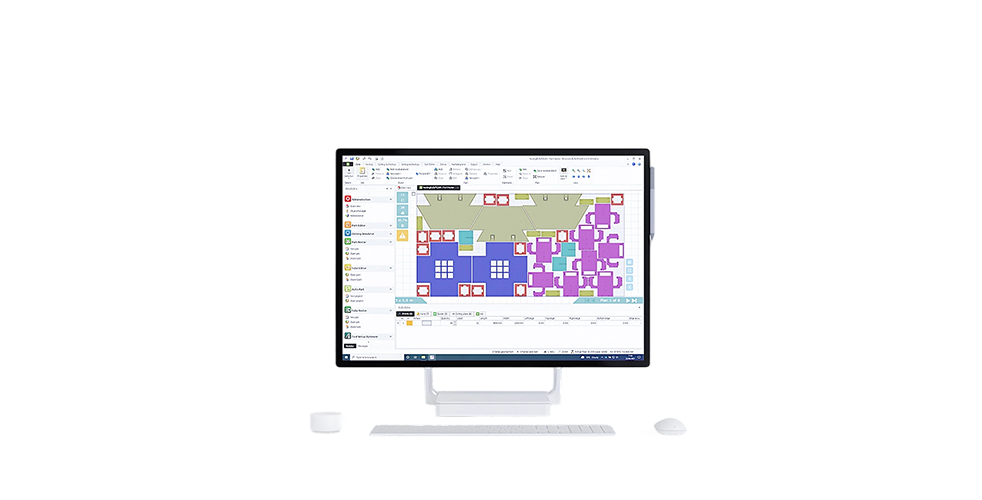
Intelligent and automated integration marks a key trend in current laser cutting development. Machine learning and artificial intelligence algorithms are embedded in cutting systems to automatically optimize paths, adjust parameters in real time, detect material defects, and predict processing quality, which reduces manual intervention and material waste. Collaborative robots and flexible production lines enable unmanned and continuous operation, supporting flexible manufacturing for small-batch and multi-variety production. Digital twin technology further simulates the entire cutting process, shortening debugging cycles and enhancing process stability.
In terms of application expansion, laser cutting is penetrating more industries and materials. In automotive manufacturing, it supports lightweight body parts and precision structural components; in aerospace, it handles high-strength alloys and complex structural parts with strict precision requirements; in electronics, it achieves micro-cutting of thin sheets and fragile materials such as ceramics and glass. The rise of new energy vehicles, lithium batteries, and hydrogen energy equipment has also boosted demand for high-precision, high-efficiency laser cutting solutions. Green manufacturing requirements drive the development of low-gas-consumption and air-cutting technologies, lowering operating costs and environmental impact.
Despite remarkable progress, laser cutting still faces challenges. For ultra-thick plates, special alloys, and heterogeneous materials, cutting quality and efficiency need further improvement. High equipment investment restricts small and medium-sized enterprises from upgrading. Process standardization and talent training also lag behind technological iteration. In addition, cross-scale processing that balances micron-level precision and meter-level dimensions remains a technical bottleneck.
Looking ahead, laser cutting will move toward higher power, higher intelligence, wider adaptability, and greener production. The integration of laser cutting with 5G, industrial internet, and cloud manufacturing will build interconnected smart workshops. New laser sources and composite processing technologies will break through material and thickness limitations. With continuous technological iteration and market demand expansion, laser cutting will continue to empower global manufacturing upgrading and play an increasingly important role in the era of intelligent manufacturing.