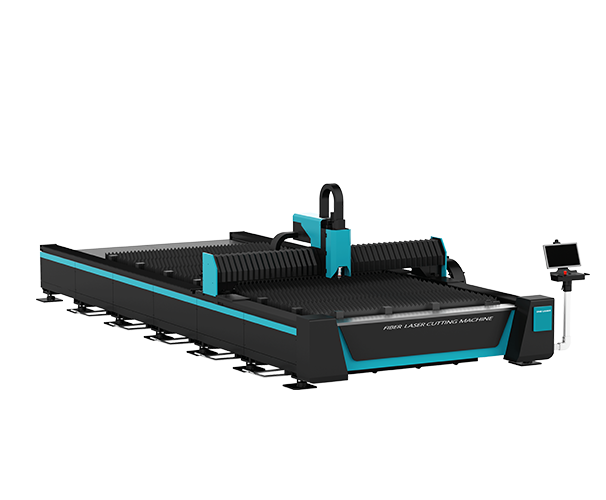
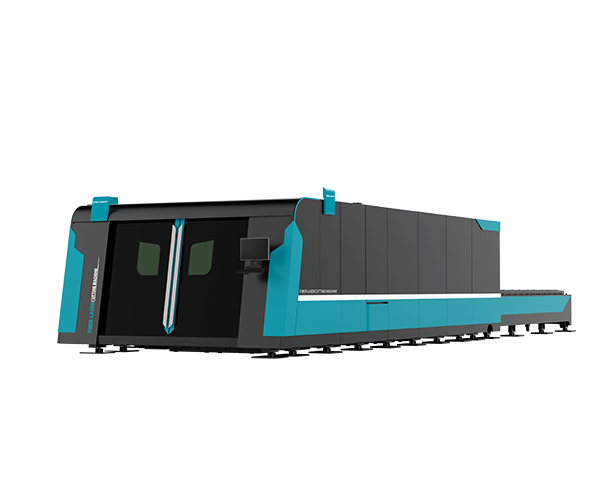
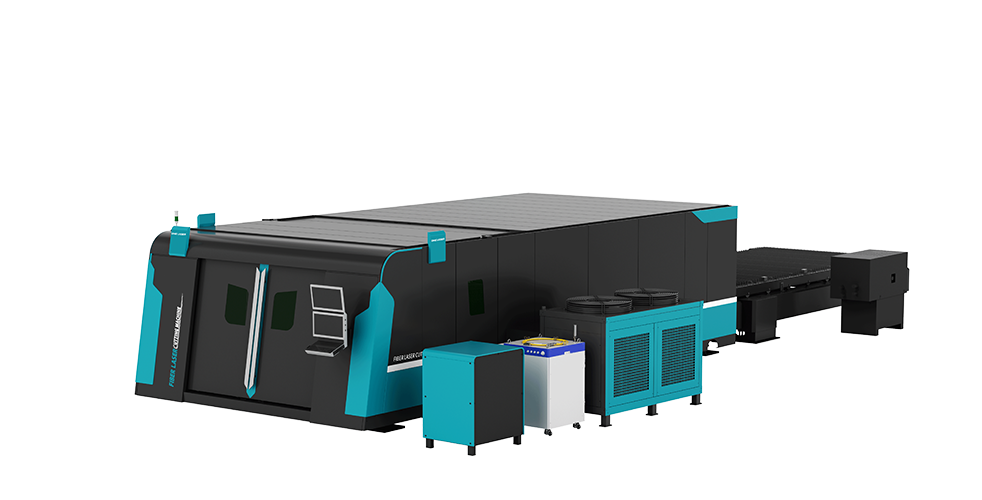
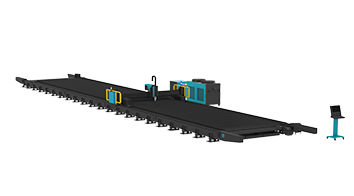
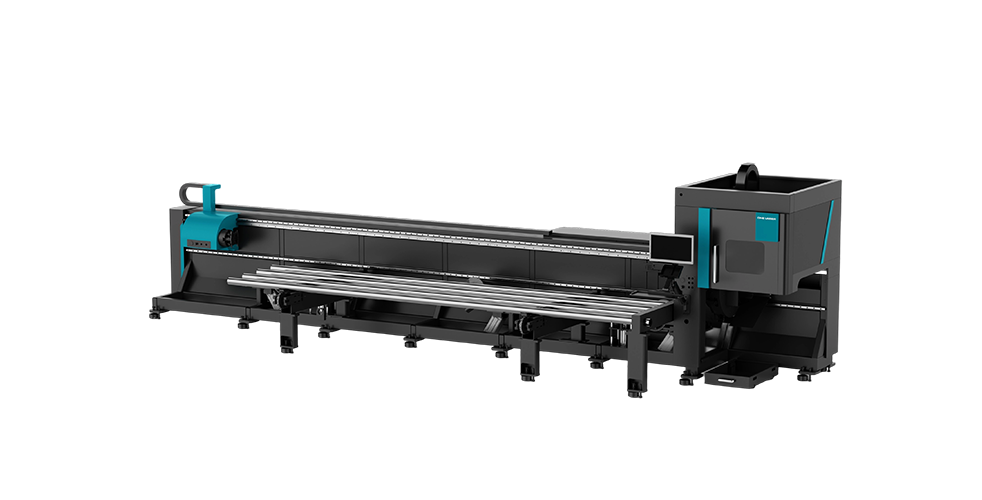
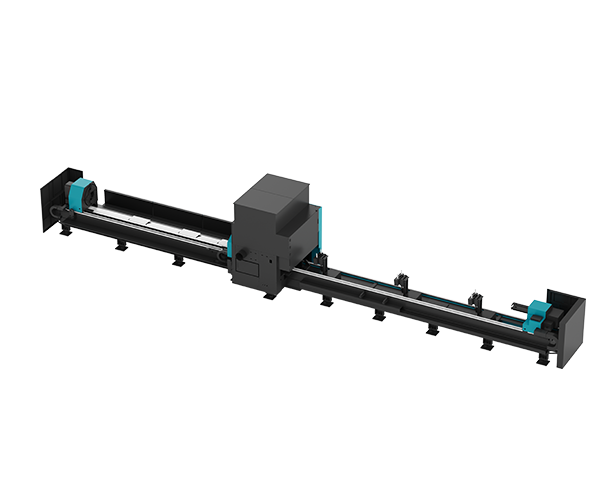
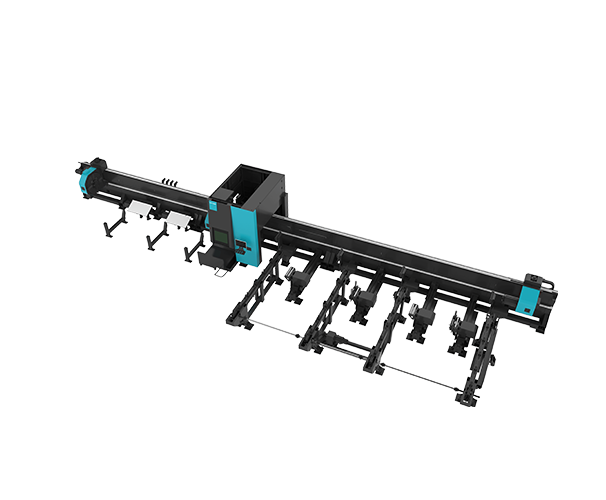
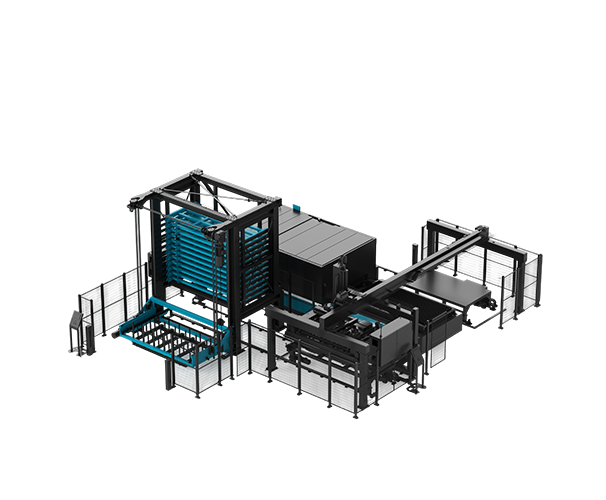
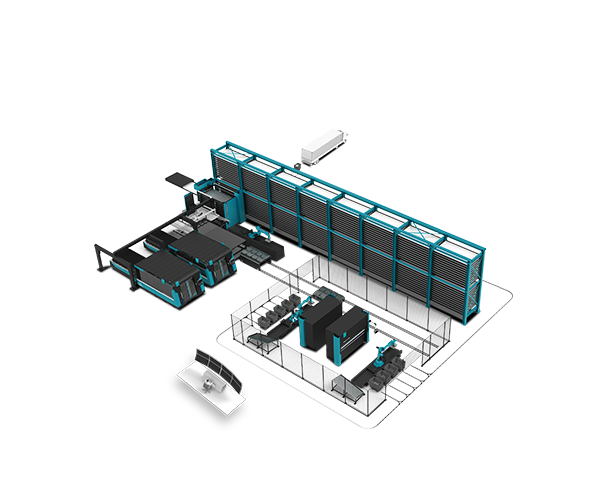
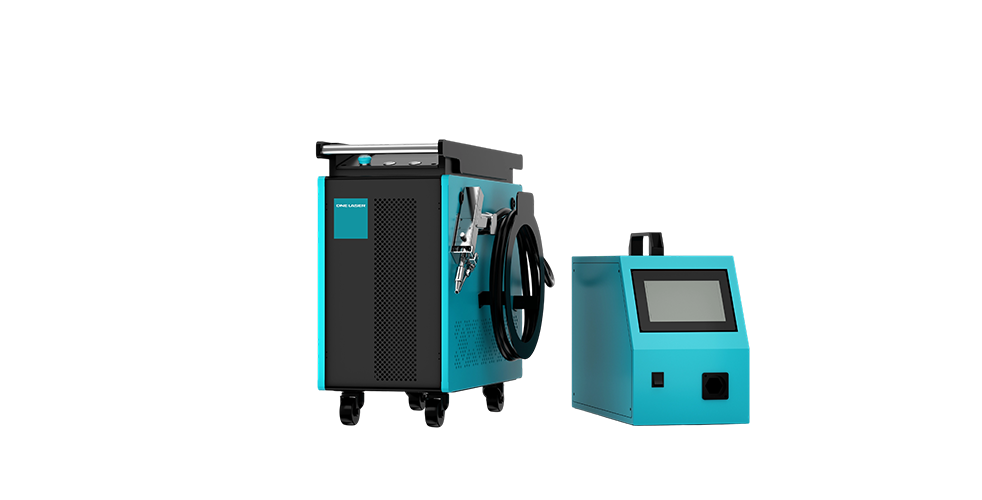
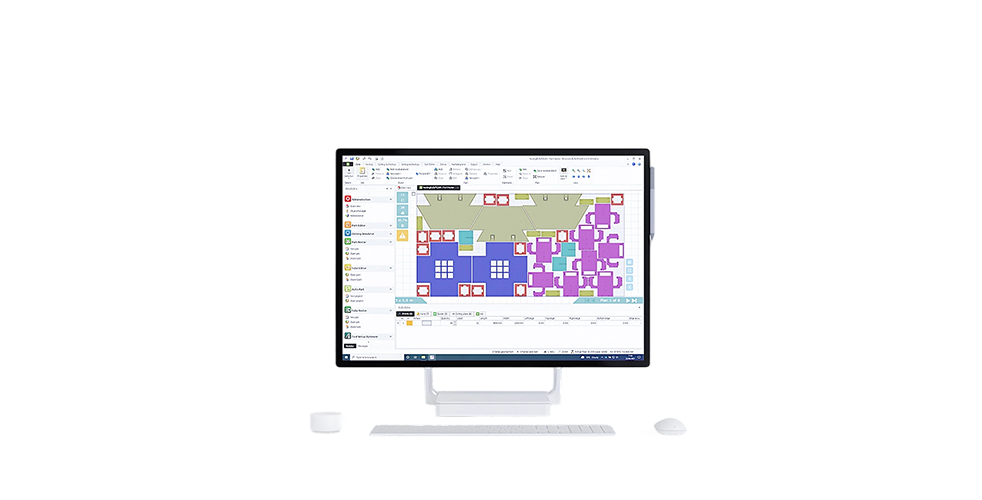
At its essence, laser cutting is a thermal separation process. It uses a highly focused beam of coherent light to melt, burn, or vaporize material along a predetermined path. The "laser" in laser cutting stands for Light Amplification by Stimulated Emission of Radiation.
Energy Absorption: The material absorbs the laser's photonic energy
Phase Transformation: Absorbed energy converts to heat, raising temperature past melting/vaporization points
Material Ejection: Molten or vaporized material is expelled from the cut zone
Generates the coherent light beam through stimulated emission
Types: Fiber, CO₂, or Disk laser sources
Determines wavelength critical for material absorption
Mirrors/Fiber Optics guide the beam to the cutting head
Maintains beam quality and direction
Focusing Lens concentrates the beam to an intense spot (typically 0.1-0.3mm diameter)
Nozzle directs assist gas and protects the lens
Creates power densities exceeding 1 MW/cm²
Precisely moves the cutting head or material
Follows digital design paths with micron-level accuracy
Most common for metals
Laser melts material, high-pressure inert gas (typically nitrogen) blows molten metal away
Results in oxide-free edges, minimal discoloration
Best for: Stainless steel, aluminum, alloys requiring clean edges
Uses oxygen as assist gas
Material heats to ignition temperature, then reacts exothermically with oxygen
Additional heat from reaction speeds cutting significantly
Leaves oxide layer on cut edges
Best for: Thick carbon steel (mild steel)
Laser energy directly vaporizes material
Used with pulsed lasers
Minimal thermal damage to surrounding material
Best for: Plastics, wood, ceramics, some non-metals
Ultra-short pulse lasers (picosecond/femtosecond)
Material removed through photo-physical ablation
Virtually no heat-affected zone
Best for: Medical devices, electronics, brittle materials
Metals:
Reflect initially until reaching melting point
Absorption increases dramatically once molten
Wavelength matters: 1μm (fiber lasers) absorbs better in metals than 10.6μm (CO₂)
Plastics:
Vary widely in absorption and melting behavior
Some produce toxic fumes requiring extraction
Acrylic cuts cleanly with polished edges
Wood & Composites:
Cellulose decomposes rather than melts
Often results in charred edges
Requires parameter optimization
Determines cutting speed and thickness capacity
Higher power = faster cutting through thicker materials
Spot size and depth of focus affect cut quality
Typically positioned at material surface or slightly below
Must balance with power for optimal results
Too fast = incomplete cutting
Too slow = excessive heat input, poor edge quality
Type: Nitrogen (for clean edges), Oxygen (for speed), Air (for cost savings)
Pressure: Affects slag removal and cooling
Controls gas flow dynamics
Affects cut consistency and quality
Typical tolerances: ±0.1mm
Minimal kerf width (as small as 0.1mm)
Excellent repeatability
Cuts complex geometries without tooling changes
Handles various materials with quick parameter adjustments
No mechanical force on material (reduces distortion)
High cutting speeds (up to 100m/min on thin sheet)
Minimal material waste through nesting optimization
Easily integrated into automated production lines
Smooth cut edges, often eliminating secondary processing
Small heat-affected zone preserves material properties
Highly reflective materials (copper, brass) require specialized parameters
Materials producing toxic fumes need proper extraction
Maximum thickness limitations (typically 25-30mm for metals)
High initial equipment investment
Energy consumption varies by laser type
Maintenance requires technical expertise
Heat buildup can affect dimensional stability
Achieving perfect perpendicular edges on thick materials
Balancing speed with edge quality
| Method | Best For | Edge Quality | Speed | Operating Cost |
|---|---|---|---|---|
| Laser Cutting | Precision parts, complex shapes, prototyping | Excellent | Very Fast | Medium-High |
| Plasma Cutting | Thick steel plate, heavy fabrication | Good | Fast | Low |
| Waterjet | Mixed materials, no heat input, thick materials | Good | Slow | High (abrasive) |
| CNC Punching | High-volume simple shapes, forming operations | Good | Very Fast (for holes) | Low |
Real-time monitoring systems using sensors and cameras
Adaptive control adjusting parameters during cutting
AI-powered optimization of cutting paths and parameters
Laser-assisted machining
Additive-subtractive combinations (3D printing then laser cutting)
Multi-wavelength systems for different materials
Higher energy efficiency (fiber lasers >50% efficient)
Reduced gas consumption through intelligent assist gas control
Predictive maintenance reducing waste and downtime
Laser cutting represents the elegant application of fundamental physics to industrial manufacturing. By understanding how focused light energy interacts with materials, engineers have created one of manufacturing's most valuable tools. From the subtle science of wavelength selection to the practical art of parameter optimization, laser cutting continues to evolve, offering increasingly sophisticated solutions for the world's fabrication challenges.
As the technology advances toward smarter, more integrated, and more sustainable systems, its underlying principle remains beautifully simple: transform light into precise, controllable thermal energy to shape our material world with unprecedented accuracy.
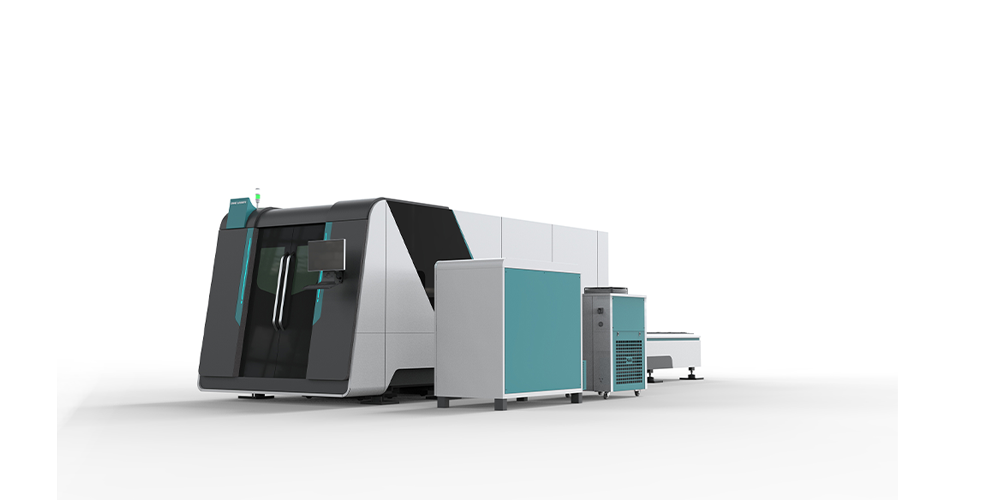
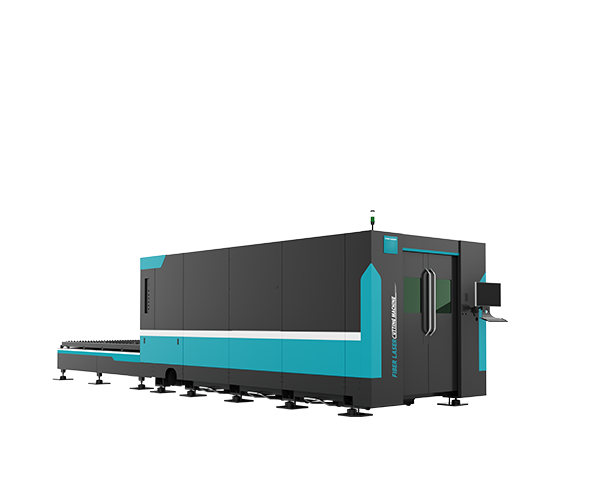
As a professional laser cutting machine manufacturer, DNE LASER produces various types of laser cutting equipment. If you have any purchasing needs, please contact DNE LASER.