Search
Hot search keywords:
series DNE Mechanical C-Bend
Home·News·Company News·How to Choose a Fiber Laser Cutting Machine

How to Choose a Fiber Laser Cutting Machine

Published:2025-12-15
Browse:
Share:

Given the complexity of the market, it is essential to understand some key strategies not only when purchasing a laser cutting machine but also when buying other equipment. First and foremost, it’s important to note that with the mature application of domestically produced laser cutting machines, prices have become highly transparent. Therefore, when purchasing a fiber laser cutting machine, it’s best not to focus solely on price. Instead, compare multiple suppliers and evaluate their offerings thoroughly. For most customers, buying equipment involves comparing different options, which naturally intensifies competition among manufacturers. Buyers typically consider configuration, price, and after-sales service—key competitive factors for manufacturers. Price competition is the most common form of rivalry in this industry.

How, then, should you choose a fiber laser cutting machine? When inquiring about machines with the same power, you may encounter price differences ranging from tens of thousands to hundreds of thousands. Those unfamiliar with the industry might assume that manufacturers with higher quotes are unreliable or even attempting to deceive buyers. Here, we advise prospective buyers to ask multiple suppliers for detailed information about their laser cutting machine configurations before making a comparison based on these specifications. If a manufacturer’s quote deviates significantly from the normal market price, it’s likely a red flag.

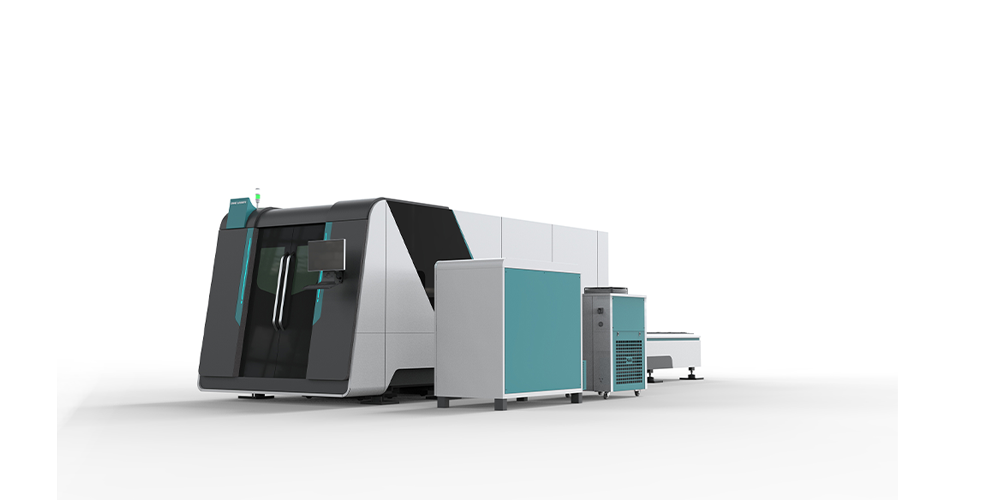
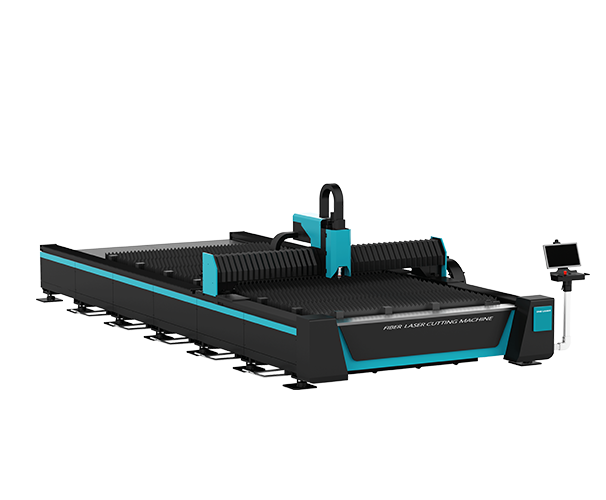
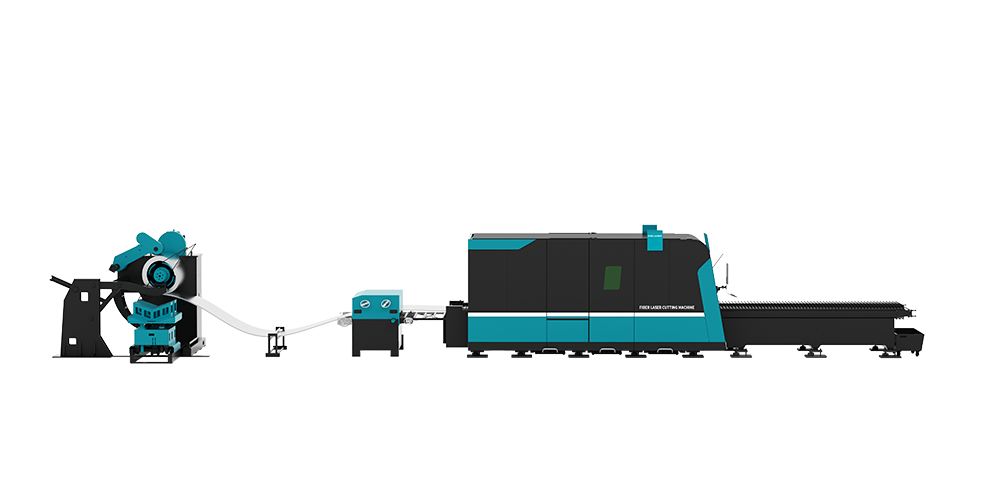
Fiber Laser Cutting Machine.jpg

When discussing the configuration and technology of laser cutting machines, some might argue that since the laser source is sourced externally, manufacturers merely assemble the components and lack proprietary technology. Superficially, this may seem true, leading many to believe that the laser cutting machine industry has low barriers to entry and high profit margins, making it feasible for small teams to succeed.

As mentioned earlier, many manufacturers sell their equipment at very low prices. Due to cost constraints, the parts and machine frames they use are often of inferior quality. Such manufacturers typically lack long-term sustainability strategies and core technologies, focusing instead on low-end assembly. Without professional expertise, they cannot produce high-quality equipment even when provided with the same components as their competitors.

Beyond the laser source, the machine frame is equally critical. For the same laser source, equipment produced by different manufacturers can vary significantly in performance. Some machines operate flawlessly for years, while others encounter daily issues. The reasons behind this are self-evident. Worse still, some manufacturers may be unable to resolve faults when they occur, leaving buyers to bear the losses. Not only does this waste the initial investment, but it also disrupts production, delays deliveries, and results in even greater losses.

In addition to the above considerations, it’s crucial to pay close attention to the components of a fiber laser cutting machine to avoid unnecessary losses.

  1. Fiber Laser Source: This is the core component of a fiber laser cutting machine, serving as the "power source" for cutting operations. When purchasing a fiber laser cutting machine, customers must carefully evaluate the laser source.

  2. Cutting Head: The cutting head is the laser output device, consisting of a nozzle, focusing lens, and focusing tracking system. While it follows the programmed cutting path, adjustments to its height are necessary for different materials, thicknesses, and cutting methods.

  3. Servo Motor: The servo motor controls the movement of mechanical components in the servo system, acting as an auxiliary motor for indirect speed variation. It ensures precise control of speed and position accuracy by converting voltage signals into torque and speed to drive the control object. High-quality servo motors are essential for maintaining cutting precision, positioning speed, and repeatability.

  4. Software System (CNC System): Most manufacturers use imported CNC systems for their fiber laser cutting machines. However, some have developed their own software, such as certain models from Han’s Super Energy, which utilize Han’s proprietary CNC system.

  5. Chiller: The chiller is the cooling device for the laser cutting machine, efficiently cooling the laser source, spindle, and other components. Modern chillers come with advanced features such as input/output control for equipment switches, cooling water flow monitoring, and high/low-temperature alarms, ensuring more stable performance.

  6. Gas Supply System: The gas supply system for fiber laser cutting machines includes the gas source, filtration devices, and piping. Gas sources can be either bottled air or compressed air, allowing users to choose based on their needs.

niu_icon01.png
Request A Quote
Name
E-mail*
Phone or WhatsApp*
Country*
City*
Company
Cutting Material*
Machine Type*
Message
Submit Now
Product List
Submit information
Submit Now